The Ultimate Guide To Potato Companion Planting
The Ultimate Guide to Potato Companion Planting
Potatoes are a delicious and versatile vegetable that can be enjoyed in many different ways. But did you know that companion planting can help you grow healthier and more productive potato plants?
Companion planting is the practice of planting different types of plants together in order to benefit each other. Some plants can help to attract beneficial insects, deter pests, improve soil quality, or provide shade.
When it comes to potatoes, there are a few key companion plants that can help you get the most out of your crop.
Beans: Beans are nitrogen-fixing plants, which means they can help to improve the nitrogen content of the soil. This is beneficial for potatoes, which are heavy feeders. Beans can also help to suppress weeds and attract beneficial insects.
Carrots: Carrots and potatoes are both root vegetables, so they don't compete for space or nutrients. Carrots can also help to repel nematodes, which are pests that can damage potato plants.
Cabbage family plants: Plants in the cabbage family, such as broccoli, cauliflower, and kale, have shallow root systems that won't compete with the deep roots of potato plants. They can also help to attract beneficial insects and deter pests.
Chives: Chives are a fragrant herb that can help to repel pests such as aphids and beetles. They can also improve the flavor of potatoes.
Cilantro: Cilantro is another fragrant herb that can help to repel pests. It can also attract beneficial insects, such as ladybugs, which can help to control pests.
Corn: Corn can help to improve the pollination of potato plants. It can also provide shade for potato plants, which can help to protect them from the sun.
Nasturtiums: Nasturtiums are colorful flowers that can help to attract beneficial insects and deter pests. They can also help to improve the drainage of the soil around potato plants.
Onions: Onions have a strong smell that can help to repel pests. They can also help to improve the flavor of potatoes.
Peas: Peas are nitrogen-fixing plants, so they can help to improve the nitrogen content of the soil. They can also help to suppress weeds and attract beneficial insects.
Spinach: Spinach is a leafy green vegetable that doesn't compete with potato plants for space or nutrients. It can also help to attract beneficial insects and deter pests.
Thyme: Thyme is a fragrant herb that can help to repel pests. It can also improve the flavor of potatoes.
Yarrow: Yarrow is a flowering plant that can help to attract beneficial insects and deter pests. It can also help to improve the drainage of the soil around potato plants.
Do you want to grow healthy and abundant potatoes? If so, you should consider companion planting. Companion planting is the practice of planting certain types of plants together to benefit each other. There are many different companion plants that can be beneficial for potatoes, but some of the best include:
- Beans: Beans are nitrogen-fixing plants, which means they can help to improve the nitrogen content of the soil. This is beneficial for potatoes, which are heavy feeders.
- Carrots: Carrots help to repel pests such as the Colorado potato beetle.
- Cucumbers: Cucumbers help to suppress weeds and improve air circulation around the potato plants.
- Lettuce: Lettuce helps to shade the soil and prevent it from drying out.
- Marigolds: Marigolds help to repel pests such as nematodes and aphids.
For more information about potato companion planting, please visit Home Gardening.
FAQ of potato companion planting chart
null
Image of potato companion planting chart
10 free images of potato companion planting charts:
- Potato Companion Planting Chart
This chart shows which plants are beneficial to grow near potatoes, and which plants should be avoided. Beneficial plants include beans, carrots, celery, chives, lettuce, onions, peas, spinach, and tomatoes. Avoid planting potatoes near cabbage, corn, eggplant, kohlrabi, melons, peppers, and strawberries.
- Allium Companion Planting Chart
 This chart shows which plants are beneficial to grow near alliums, which include garlic, onions, leeks, and chives. Beneficial plants include beans, carrots, celery, corn, cucumbers, lettuce, melons, peas, peppers, spinach, strawberries, and tomatoes. Avoid planting alliums near brassicas, fennel, and potatoes.
 - Nightshade Companion Planting Chart
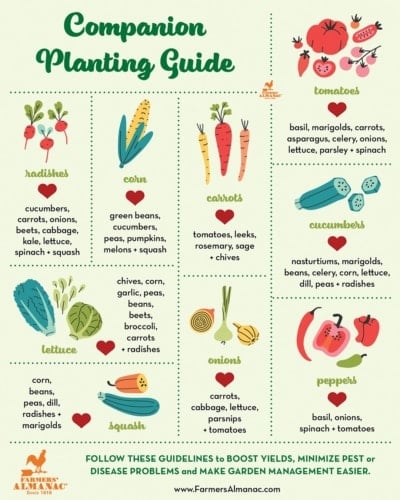 This chart shows which plants are beneficial to grow near nightshades, which include potatoes, tomatoes, eggplants, and peppers. Beneficial plants include beans, carrots, celery, corn, cucumbers, lettuce, melons, peas, spinach, and strawberries. Avoid planting nightshades near alliums, brassicas, fennel, and kohlrabi.
 - Mid-Season Companion Planting Chart
 This chart shows which plants are beneficial to grow near each other in the mid-season, which is from early summer to late summer. Beneficial plant combinations include beans and corn, broccoli and cabbage, carrots and onions, lettuce and tomatoes, and peas and spinach.
 - Late-Season Companion Planting Chart
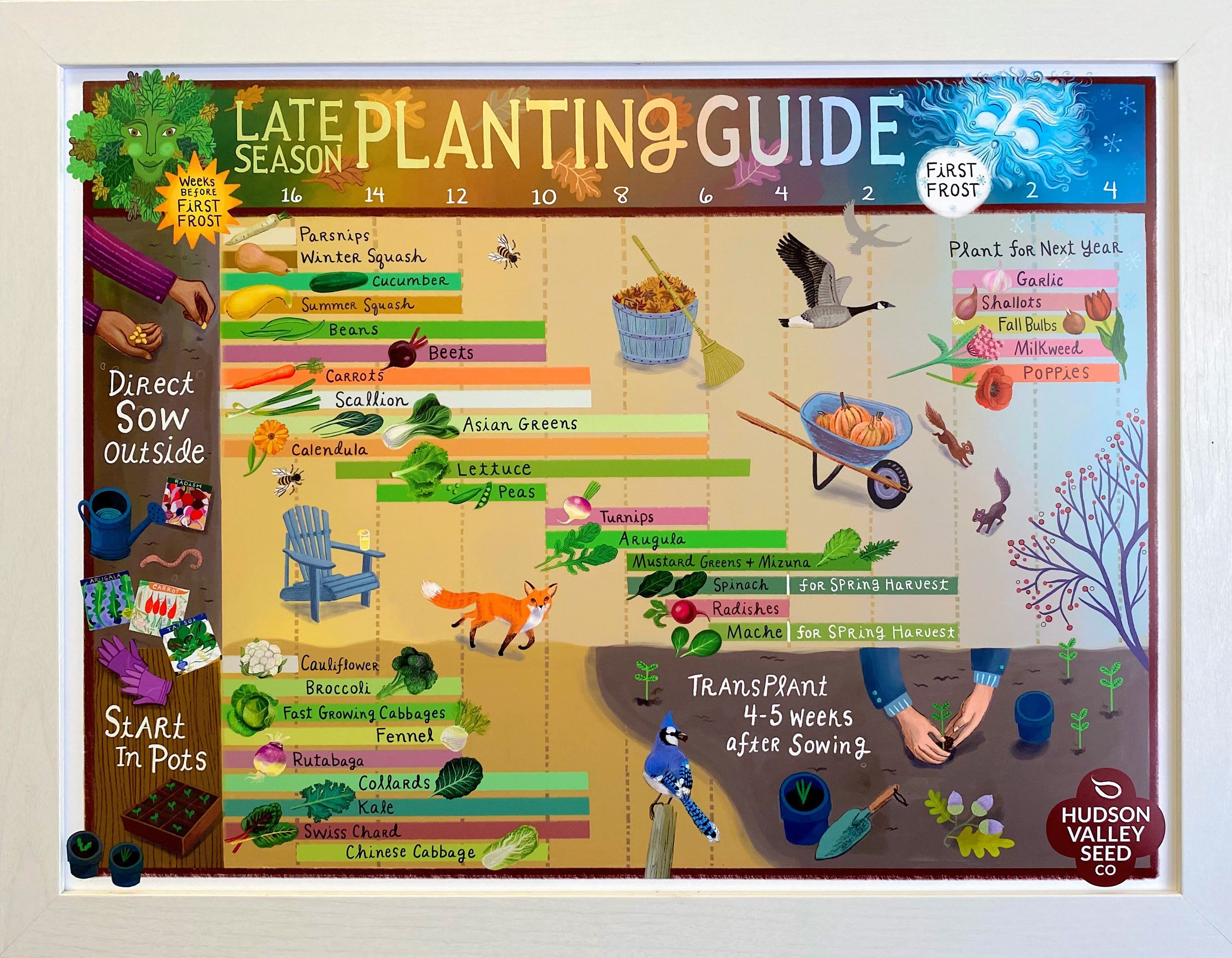 This chart shows which plants are beneficial to grow near each other in the late-season, which is from late summer to fall. Beneficial plant combinations include beans and corn, broccoli and cabbage, carrots and onions, lettuce and tomatoes, and peas and spinach.
 - Winter Companion Planting Chart
 This chart shows which plants are beneficial to grow near each other in the winter. Beneficial plant combinations include broccoli and cabbage, carrots and onions, lettuce and tomatoes, and peas and spinach.
 - Herb Companion Planting Chart
 This chart shows which herbs are beneficial to grow near each other. Beneficial herb combinations include basil and tomatoes, chives and beans, mint and carrots, oregano and tomatoes, parsley and carrots, rosemary and lavender, and sage and beans.
 - Fruit Companion Planting Chart
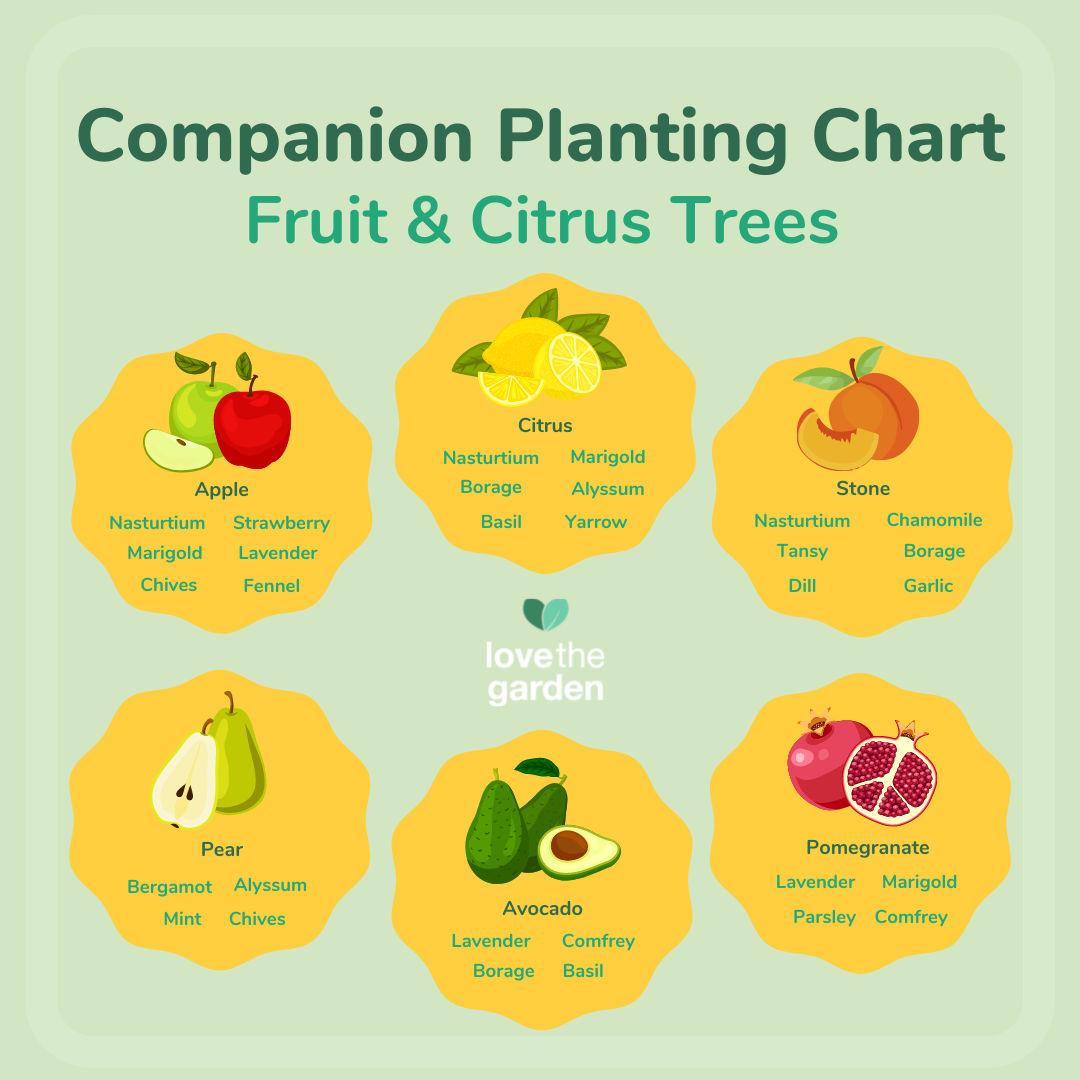 This chart shows which fruits are beneficial to grow near each other. Beneficial fruit combinations include apples and blueberries, blueberries and raspberries, grapes and tomatoes, peaches and nectarines, and strawberries and asparagus.
 - Vegetable Companion Planting Chart
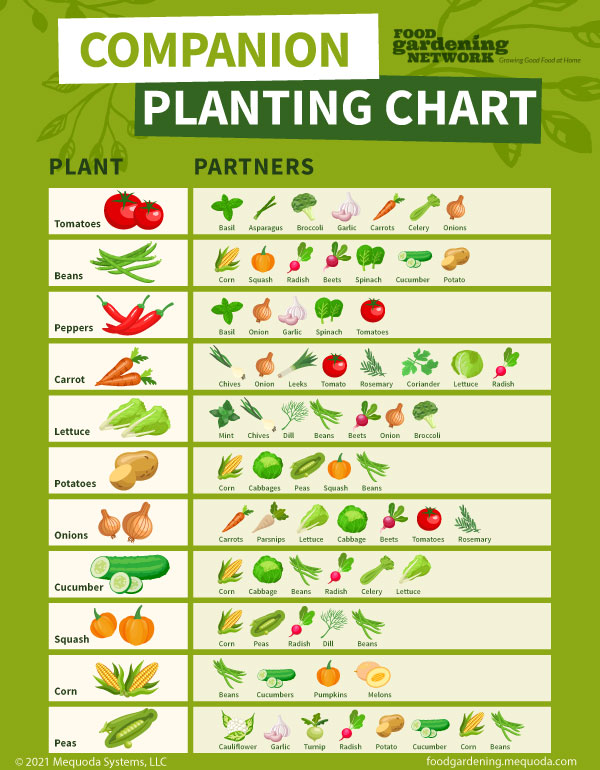 This chart shows which vegetables are beneficial to grow near each other. Beneficial vegetable combinations include beans and corn, broccoli and cabbage, carrots and onions, lettuce and tomatoes, and peas and spinach.
 - Flower Companion Planting Chart
Post a Comment for "The Ultimate Guide To Potato Companion Planting"